
Why Quiet Luxury Continues to Influence Modern Wardrobe Choices
Fashion trends often change quickly, but quiet luxury has continued to hold its place in modern wardrobes. Instead of depending on bold logos, bright branding, or highly recognizable designs, quiet luxury focuses on quality, simplicity, and timeless appeal. It allows people to look polished without appearing overly dressed or eager to display wealth. This balance has made the style attractive to consumers who value confidence, comfort, and long lasting fashion.
A Shift Toward Timeless Style
Many shoppers are becoming less interested in buying clothing that looks outdated after a single season. Quiet luxury supports a more thoughtful approach by encouraging people to choose classic pieces that remain useful for years. A well tailored coat, a clean white shirt, or a structured leather bag can work across different seasons and occasions.
This preference reflects a wider shift toward practical decision making. People increasingly research services, platforms, and resources carefully, whether they are comparing fashion labels or visiting information websites such as www.bhunaksharajasthan.org. In both cases, the goal is often the same: finding reliable value instead of being distracted by surface level presentation.
Quality Matters More Than Visible Branding
Quiet luxury places strong attention on fabric, construction, fit, and finishing. A garment may look simple at first, but its value becomes clear through details such as smooth stitching, durable material, and a flattering shape. These features create a refined appearance without the need for a large brand name across the chest.
Modern consumers also appreciate clothing that feels comfortable throughout the day. Soft cashmere, fine cotton, linen, and carefully finished wool are common materials associated with this style. The emphasis on quality makes each piece feel intentional and encourages people to build smaller wardrobes filled with useful items.
Digital access has also changed how people evaluate quality. Just as employees may use systems such as sts lab login to access organized information, shoppers now use online reviews, product descriptions, and brand transparency reports to understand how clothing is made before purchasing it.
Minimalism Fits Modern Lifestyles
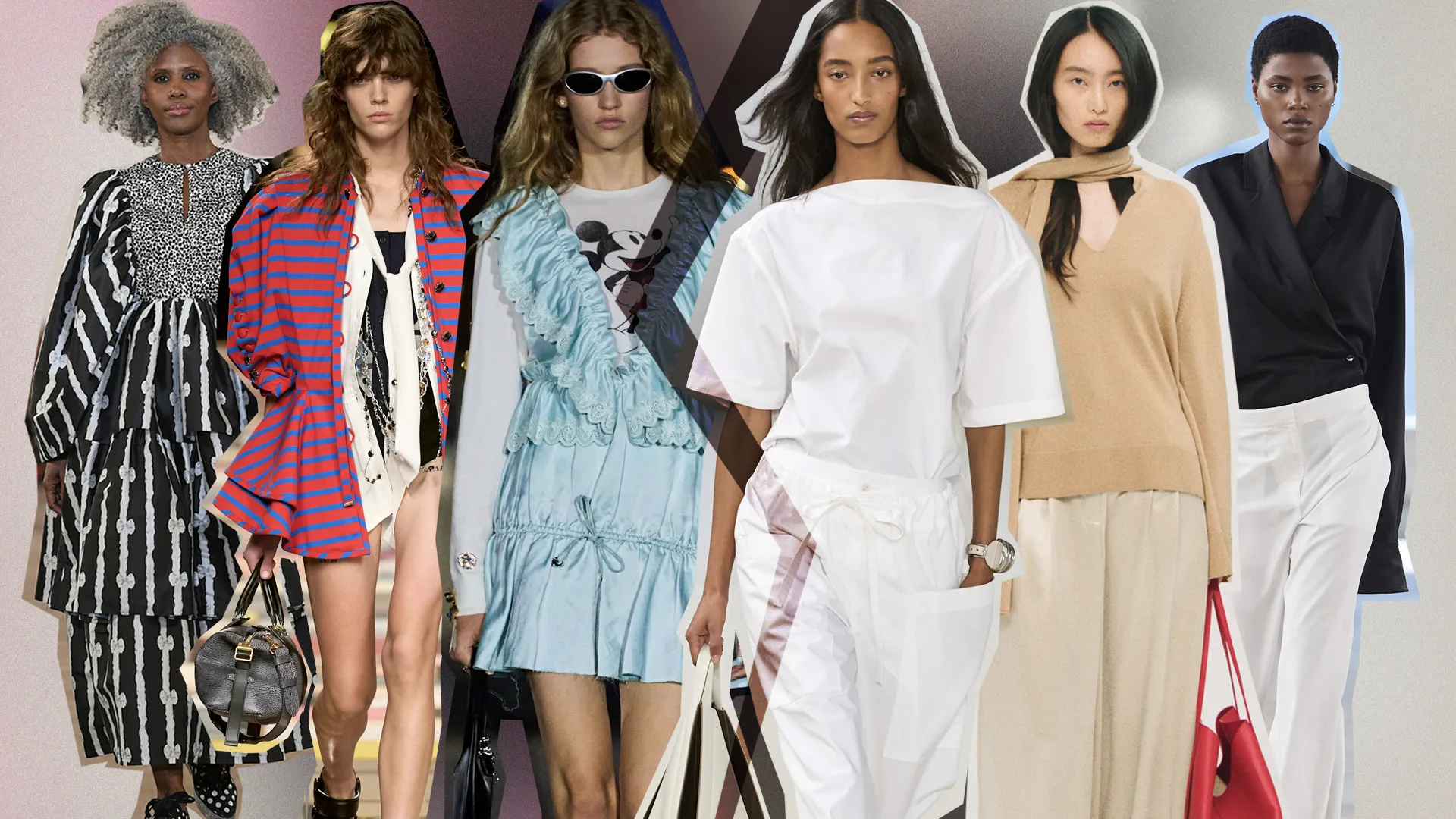
Busy lifestyles have made simple wardrobes more appealing. Many people want clothing that can move easily from work meetings to social events without requiring a complete outfit change. Neutral colors, clean silhouettes, and versatile layers make this possible.
Quiet luxury reduces the pressure to constantly follow new trends. A wardrobe built around black trousers, cream knitwear, tailored blazers, and simple footwear is easier to manage and style. People can create multiple outfits with fewer items, which saves both time and money.
The growth of online information has supported this practical mindset. Consumers are accustomed to navigating resources such as https://www.meebhoomionline.org for specific information, and they now bring the same focused approach to fashion by researching materials, sizing, care instructions, and ethical production standards.
Social Media Has Redefined Status
Social media once encouraged highly visible fashion choices, but many users now prefer subtle elegance. Influencers, celebrities, and professionals are increasingly seen wearing understated outfits that appear expensive because of their fit and quality rather than obvious labels.
This has changed the meaning of status in fashion. Knowledge, taste, and restraint can now appear more sophisticated than loud displays of wealth. A simple outfit can attract attention when every element is carefully chosen.
The influence of organized digital programs and modern platforms, including searches related to pmmvy 2.0, also shows how people have become more comfortable seeking clear and useful information online. In fashion, this same behavior supports informed wardrobe planning rather than impulsive shopping.
Sustainability Strengthens the Appeal
Quiet luxury also connects with growing interest in sustainability. Buying fewer, better made pieces can reduce waste and limit the need for frequent replacements. Although premium clothing may cost more initially, durable garments often provide better value over time.
Consumers are also paying closer attention to ethical production, responsible sourcing, and garment care. Timeless clothing encourages repair, reuse, and thoughtful maintenance, helping pieces remain part of a wardrobe for longer.
Conclusion
Quiet luxury continues to influence modern wardrobe choices because it combines elegance, practicality, and lasting value. Its focus on quality materials, neutral colors, excellent fit, and subtle design suits consumers who want refined clothing without excessive branding. As people become more selective about what they buy, quiet luxury offers a meaningful alternative to fast changing fashion trends. It proves that personal style does not need to be loud to make a strong and memorable impression.