
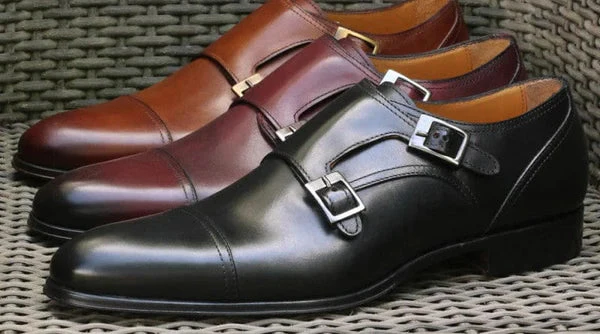
Monk Strap Shoes Adding Sharp Character to Formal and Smart Looks
Some shoes sit quietly under a suit, doing their job without asking for attention. Monk strap shoes do something sharper: they make the outfit look intentional before anyone notices the jacket, tie, or watch.
That matters in the United States, where dress codes have loosened but impressions still count. A man can walk into a New York client meeting, a Chicago wedding, or a Dallas dinner reservation wearing safe lace-ups and look fine. Fine is forgettable. A buckled dress shoe brings structure, polish, and a small dose of personality without crossing into loud fashion. That balance is why this style keeps showing up in offices, restaurants, and weekend wardrobes where sneakers feel too relaxed and plain oxfords feel too expected.
Style also lives in the small decisions. The belt, the hem break, the leather finish, the buckle shine, the sock choice — each one says whether you got dressed on purpose. For men who care about clean presentation, resources like modern men’s style and fashion insights can help frame those choices without turning dressing well into a full-time job.
Why Buckled Dress Shoes Still Feel Sharp in Modern American Style
The modern wardrobe has a strange problem: casual clothes became better, but formal clothes became less understood. Men now own stretch chinos, knit polos, soft blazers, and clean sneakers, yet many still freeze when an event calls for something sharper. This is where a buckled shoe earns its place. It bridges old-school polish and current ease without making the wearer look like he is trying to cosplay a banker from 1996.
The buckle gives the shoe its identity. Laces create symmetry, while a strap creates direction. That small diagonal or horizontal line across the instep adds visual movement, and the metal hardware catches light in a way a plain vamp cannot. It is subtle from ten feet away, then better up close.
How Formal Shoes Changed After Office Dress Codes Relaxed
Formal shoes used to follow narrow rules. Black oxfords went with dark suits. Brown derbies handled softer tailoring. Loafers belonged to warmer weather or less serious settings. Those lines still matter, but American offices have blurred them hard.
A Boston finance worker might wear wool trousers with a merino sweater instead of a full suit. A tech founder in Austin may pair a soft blazer with dark denim for an investor lunch. In both cases, the wrong shoe can tilt the outfit too far. Sneakers may feel lazy. Heavy boots may feel rough. A buckled leather shoe keeps the look adult.
The counterintuitive part is that relaxed dress codes made better shoes more noticeable, not less. When everyone wore suits, footwear hid inside a uniform. Now the shoe often carries the formality of the whole outfit. One polished pair can lift a simple jacket and trouser combination from casual to considered.
That is why men who dislike stiff corporate clothing often end up appreciating this silhouette. It gives them the authority of formal shoes without trapping them inside the old suit-and-tie formula. The shoe does some of the work the tie used to do.
Why the Buckle Adds Personality Without Looking Loud
Good personal style needs one point of interest. More than that, and the outfit starts competing with itself. The buckle works because it gives the eye a landing place without shouting across the room.
A brown pair with a slim strap can soften a navy suit at a fall wedding in Pennsylvania. A black pair with clean hardware can make charcoal trousers look more deliberate at a downtown dinner. The detail is visible, but it does not beg for approval.
This matters because many men overcorrect when they try to look stylish. They buy bright socks, loud jackets, or shoes with aggressive brogue patterns. Those choices can work, but they need confidence and context. A buckled shoe is easier. It adds character while staying inside the language of tailoring.
The smartest version of the look often feels quiet. The leather is clean, the buckle is not oversized, and the toe shape looks balanced. Nobody points at the shoes first. They simply register that the entire outfit has more edge than a standard lace-up would have allowed.
Choosing Monk Strap Shoes for Suits, Weddings, and Workdays
A strong pair can handle more situations than most men expect, but only when the shape, color, and finish match the setting. Monk Strap Shoes work best when they look intentional, not decorative. The wrong pair can feel costume-like. The right pair feels like a quiet upgrade.
The safest rule is simple: match the shoe’s polish level to the room. A glossy black pair suits evening events and darker tailoring. A medium brown pair works well with navy, gray, olive, and tan. Suede belongs in softer settings where texture matters more than formality.
What Works Best With Navy, Gray, and Charcoal Suits
Navy suits give you the most freedom. Medium brown leather adds warmth, dark brown feels serious, and black creates a cleaner evening mood. For a U.S. wedding, brown often feels more modern unless the invitation clearly points to black tie or formal evening dress.
Gray suits need more care. Light gray can handle tan or medium brown, especially for daytime events. Charcoal usually wants black or deep brown because pale shoes can look disconnected from the weight of the suit. The darker the suit, the less playful the shoe should become.
A real-world example helps. At a corporate conference in Washington, D.C., a charcoal suit with black buckled shoes looks composed and business-ready. At a summer wedding in San Diego, the same black pair may feel stiff next to lighter fabrics and open-air scenery. A dark brown pair would probably land better.
The unexpected lesson is that the suit color matters less than the event’s emotional temperature. A courtroom, boardroom, church ceremony, rooftop party, and hotel ballroom all ask for different levels of restraint. The shoe should answer the room before it answers the suit.
How Double Monk Straps Shift the Mood of an Outfit
Double monk straps carry more attitude than single-strap versions. The two buckles create a stronger visual signature, which makes the shoe feel more styled and less traditional. That can be a strength, but it also means the rest of the outfit needs discipline.
With a navy suit, the style looks confident and slightly European. With cropped trousers and no socks, it can look fashion-forward in a Miami or Los Angeles setting. With a shiny suit, loud pocket square, and oversized watch, it starts to feel forced. The shoe already has presence. Let it breathe.
Double monk straps also work well when the outfit has clean lines. Flat-front trousers, a neat hem, and a simple shirt allow the buckles to stand out for the right reason. Excess fabric pooling over the shoe ruins the effect because the strap detail disappears under a messy break.
Men often think bolder shoes require bolder clothes. Usually, the opposite is true. The more character the shoe has, the quieter everything around it should become. That is how the look stays sharp instead of theatrical.
Styling Buckled Shoes With Smart Casual Outfits
The smartest use of this shoe may not be with a suit at all. Its real power shows up when you use it to sharpen relaxed pieces. Smart casual outfits need tension: enough ease to feel current, enough polish to look grown. A buckled leather shoe sits right in that tension.
This is especially useful in American cities where one day can include a casual office, dinner, and a social event with no time to change. A man in dark jeans, a textured blazer, and clean leather shoes can move through those settings without looking underdressed or overdressed.
Why Dark Denim and Tailored Trousers Need Different Pairings
Dark denim works best with brown leather or suede. Black can work, but it needs a sleek outfit around it. The denim should be slim or straight, not skinny and not baggy. A slight taper helps the shoe show without making the whole look feel precious.
Tailored trousers create a cleaner path. Wool, cotton twill, and lightweight flannel all pair naturally with buckled shoes when the hem is controlled. The trouser should touch the top of the shoe or hover close to it. Too much break makes the outfit look tired.
A man heading to a Nashville restaurant in dark denim, a white Oxford shirt, and a tobacco suede pair will look relaxed but still dressed. Swap the denim for gray wool trousers, and the same shoe moves closer to business casual. The shift is small, but the effect is clear.
This is where smart casual outfits often succeed or fail. The clothes can be simple, but the proportions cannot be careless. A better shoe will not rescue a sloppy hem, a stretched collar, or jeans stacked like fabric at the ankle.
How Texture Makes Dress Shoe Style Feel Less Stiff
Texture changes everything. Smooth calf leather reads cleaner and more formal. Suede reads softer. Pebbled leather feels practical and slightly rugged. Each version changes the same basic shape into a different tool.
This matters for men who fear looking overdressed. A polished pair with a blazer may feel too formal for a casual Friday in Denver. A suede pair with chinos and a knit polo feels easier while still maintaining shape. The buckle remains, but the texture lowers the volume.
Dress shoe style does not have to mean stiff leather, hard soles, and a boardroom mood. Modern versions can feel relaxed when the last shape is less severe and the finish has depth. A rounded toe, soft brown suede, and slim rubber sole can fit into everyday life without losing polish.
The surprise is that texture can make a dressier shoe more wearable than a plain leather sneaker. Sneakers often pull an outfit down. Textured buckled shoes keep the outfit grounded while giving it a grown-up finish.
Fit, Care, and Small Details That Separate Sharp From Sloppy
Great shoes can still look wrong when the fit or maintenance is off. Buckled styles are less forgiving than plain lace-ups because the strap draws attention to the top of the foot. When leather creases badly, buckles pull unevenly, or trousers collapse over the vamp, the whole outfit loses authority.
The good news is that the fixes are simple. Buy the right shape, protect the leather, rotate pairs, and keep the hardware clean. Style often looks expensive because it is cared for, not because it costs the most.
How Fit Affects Comfort Across Long American Workdays
Fit starts at the instep. Since straps replace laces, adjustability is limited. The shoe should hold the foot securely without pressure across the top. If the strap digs in while standing at the store, it will not become pleasant after an eight-hour workday.
Men with high insteps should be careful with narrow single-strap designs. Men with lower-volume feet may prefer a buckle that can be tightened without creating gaps. Trying shoes on later in the day also helps because feet swell after walking, commuting, and standing.
A Chicago consultant walking between client offices needs more than a pretty shoe. He needs a pair that stays comfortable on sidewalks, elevators, and long conference-room days. Leather lining, decent arch support, and a sole with enough grip matter more than most style guides admit.
The quiet truth is that discomfort shows. A man limping through a networking event does not look polished, no matter how expensive his shoes are. Sharp style begins with ease because ease lets you move like the clothes belong to you.
Why Care Matters More With Buckles Than Plain Lace-Ups
Buckles create extra surfaces where neglect can show. Dust gathers around the hardware. Leather bends near the strap. Metal can dull if the shoes sit uncared for. None of this ruins the pair, but it chips away at the sharpness that made the style worth buying.
A basic care rhythm works. Brush after wear, use shoe trees, condition leather when it looks dry, and polish only when the finish needs it. Suede needs a brush and protector spray, not cream polish. Storage matters too because crushed straps can hold awkward shapes.
Dress shoe style rewards consistency. Five minutes after each wear can do more than an expensive repair later. This is especially true in places with rough weather. Salt in a Boston winter or dust in Arizona can age shoes fast if you ignore it.
Double monk straps need even more attention because two buckles mean twice the hardware and more strap edges. Keep them clean, aligned, and fastened when stored. A buckled shoe looks best when it appears calm, controlled, and ready before your foot ever enters it.
Conclusion
A sharp wardrobe does not need a closet full of dramatic pieces. It needs a few choices that carry more weight than they seem to at first glance. A buckled dress shoe is one of those choices because it changes the tone of an outfit without demanding a total style reinvention.
The best move is to start with one pair that fits your real life. Choose dark brown if you wear navy, gray, denim, and chinos often. Choose black if your calendar leans formal, evening-heavy, or corporate. Add suede later when you want a softer option for dinners, date nights, and smart weekends.
Monk strap shoes are not about chasing attention. They are about control, proportion, and the quiet confidence that comes from knowing one small detail can sharpen the whole look. Buy the pair that matches your wardrobe, care for it well, and wear it where ordinary lace-ups would have made the outfit disappear.
Frequently Asked Questions
Are buckled dress shoes acceptable for business formal settings?
Yes, as long as the pair is sleek, polished, and conservative in color. Black or dark brown works best for business formal settings. Avoid bulky soles, oversized buckles, and loud finishes when the room expects traditional professional dress.
Can men wear buckled shoes with jeans?
Yes, dark straight or slim jeans pair well with brown leather or suede versions. The jeans should have a clean hem with little stacking. Light distressed denim usually weakens the look because the shoe carries a sharper, more refined mood.
What suit colors look best with brown buckled shoes?
Navy, medium gray, light gray, olive, and tan suits work well with brown buckled shoes. Dark brown feels more formal, while medium brown feels warmer and more relaxed. Charcoal suits usually need a deeper brown to maintain balance.
Are single-strap or two-strap buckled shoes more formal?
Single-strap versions often look cleaner and slightly more restrained. Two-strap versions feel bolder and more style-driven. Both can be formal, but the leather finish, toe shape, sole thickness, and buckle size decide the final impression.
Should buckled dress shoes be worn with socks?
Socks are best for business, weddings, and colder seasons. No-show socks can work with cropped trousers in warm casual settings. Bare ankles should look intentional, not accidental, so keep the trouser length clean and the rest of the outfit polished.
What belt should match buckled shoes?
The belt should closely match the shoe leather color and general finish. Brown shoes need a brown belt in a similar tone. Black shoes need a black belt. The buckle metal does not need to match perfectly, but it should not clash harshly.
Are suede buckled shoes good for office wear?
Suede can work in relaxed offices, creative workplaces, and business casual settings. Smooth leather is better for conservative offices or formal meetings. Keep suede clean and protected because stains or flattened texture can make the outfit look careless.
How should buckled shoes fit compared with lace-up shoes?
They should feel secure across the instep without tight pressure. Since the strap offers less adjustment than laces, the first fit matters more. Walk in them before buying, and avoid pairs that pinch, gap, or force the buckle into its last hole.